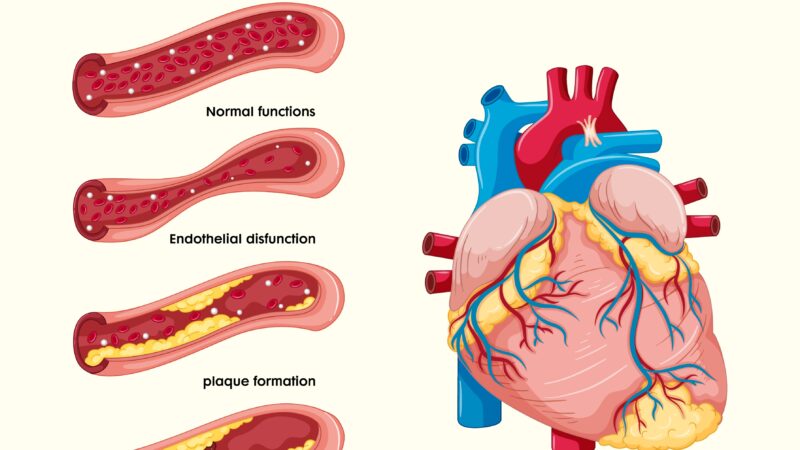
Coronary stents are small, mesh-like tubes used to help keep narrowed or blocked coronary arteries open. They are commonly placed during coronary angioplasty, particularly when plaque buildup has significantly reduced blood flow to the heart. Understanding how coronary stents work, their different types, and what patients can expect can help improve awareness of modern heart treatment.
What Are Coronary Stents?
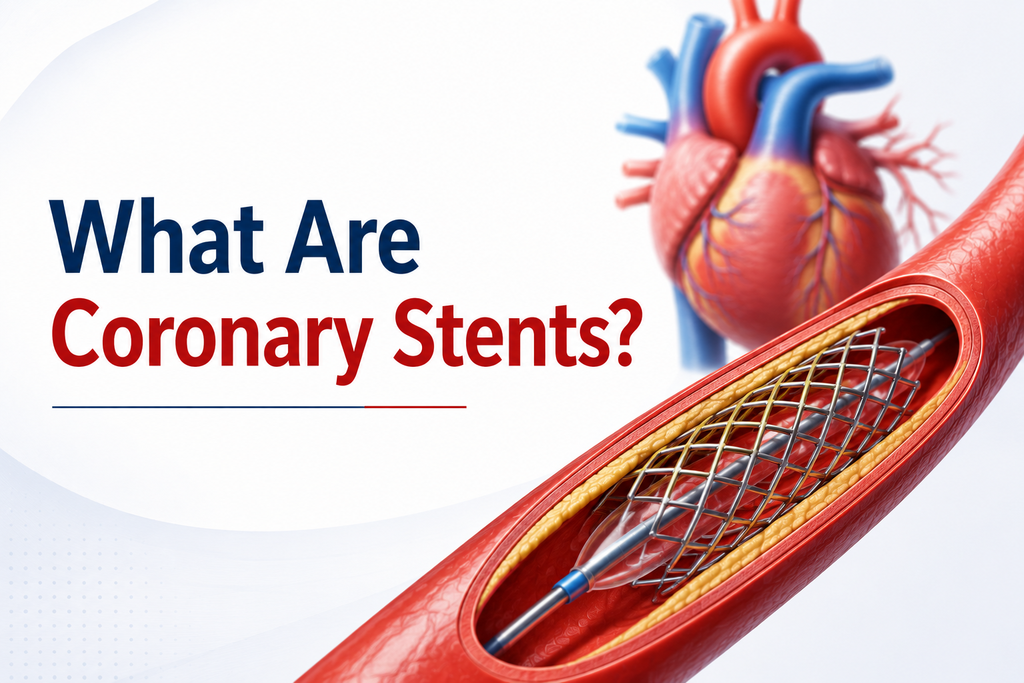
A coronary stent is a tiny expandable tube placed inside a coronary artery. It acts as a support structure after angioplasty and helps maintain the opening created in the narrowed artery.
In patients with coronary artery disease, fatty deposits or plaque can accumulate inside the arteries and restrict blood flow. When medication and lifestyle measures are not sufficient, an interventional procedure such as angioplasty may be considered.
During coronary stent angioplasty, a thin catheter is guided through a blood vessel toward the narrowed coronary artery. A balloon is inflated at the affected area to improve the artery’s opening. A stent may then be expanded at the site to provide structural support.
Why Are Coronary Stents Used?
The primary purpose of coronary stents is to improve blood flow through a narrowed coronary artery. Stenting may be considered for patients experiencing symptoms related to reduced coronary blood flow or in selected cases of acute coronary syndrome.
A coronary stent treatment may help restore blood flow and relieve symptoms such as chest discomfort caused by myocardial ischemia. The decision depends on factors such as the location and severity of the blockage, symptoms, test results, and the patient’s overall clinical condition.
Types of Coronary Stent
Different types of coronary stents have been developed to meet different clinical requirements.
1. Bare-Metal Stents
Bare-metal coronary stents are made from metal and do not contain a medication coating. They were among the earlier stent technologies used in coronary interventions. Their use has become less common because newer stent designs provide additional advantages.
2. Drug-Eluting Stents
Drug-eluting stents have a medication coating that is gradually released into the surrounding artery tissue. The medication helps reduce excessive tissue growth inside the stent, which can otherwise cause the artery to narrow again.
Today, drug-eluting stents are widely used in many coronary interventions because of their improved ability to reduce restenosis compared with older bare-metal stents.
3. Bioresorbable Stents
Bioresorbable or bioresorbable scaffold technologies were developed with the aim of providing temporary vessel support before gradually being absorbed by the body. Their clinical use has been more limited than conventional metallic drug-eluting stents, and technology continues to evolve.
Also read: Best Angioplasty Expert in India Clinical Standard
Coronary Angioplasty and Stent Placement
Patients may hear several terms associated with coronary interventions, including “angioplasty in the heart,” “PTCA Stent,” and “stent coronary procedures.” These terms generally relate to catheter-based treatment of narrowed coronary arteries.
An angioplasty and an angiogram are different procedures, although they may be performed during the same catheterization session. Coronary angiography is primarily used to visualize the coronary arteries and identify blockages, while angioplasty is a treatment procedure used to improve blood flow through a narrowed artery.
During stent placement, the cardiologist carefully positions the stent at the target lesion. Once expanded, it remains inside the artery and provides support to the vessel wall.
What Happens After Stent Placement?
After coronary angioplasty and coronary stent placement, patients are generally advised to follow the medication plan prescribed by their cardiologist. Antiplatelet medicines are particularly important after many stent procedures because they help reduce the risk of blood clot formation within the stent.
Regular follow-up, heart-healthy nutrition, physical activity as medically advised, smoking cessation, blood pressure management, diabetes control, and cholesterol management can also form important parts of long-term cardiovascular care.
Patients should never stop prescribed antiplatelet medication without consulting their treating cardiologist.
Who May Need Coronary Stenting?
Coronary stenting may be considered for selected patients with significant coronary artery narrowing. It can also play an important role in the emergency management of certain heart attacks, where rapidly restoring blood flow is critical.
A coronary artery disease doctor or experienced interventional cardiologist evaluates the patient’s symptoms, angiography findings, medical history, and overall risk before recommending treatment. Patients may seek advice from coronary artery disease specialists or a coronary heart disease doctor when determining the most appropriate treatment strategy.
Importance of Expert Evaluation
Not every coronary blockage requires a stent. Treatment decisions depend on the individual patient’s condition and may involve medication, lifestyle changes, angioplasty, stenting, or other approaches.
For patients searching for the best cardiologist in Hyderabad or the best cardiologist in India, the focus should be on appropriate clinical evaluation, relevant expertise, experience with complex coronary procedures, and individualized treatment planning. A heart surgeon in Hyderabad may be involved when surgical treatment such as bypass surgery is more appropriate.
Conclusion
Coronary Stents have become an important part of modern interventional cardiology. From bare-metal devices to advanced drug-eluting stents, these technologies are designed to support coronary arteries and improve blood flow following angioplasty. Understanding coronary stent treatment, stent types, and the relationship between angiography and angioplasty can help patients and medical students better understand contemporary coronary care.
Consult Dr. C. Raghu
For professional evaluation and personalized guidance regarding coronary artery disease and interventional heart procedures, patients can consult Dr. C. Raghu, Clinical Director & Senior Interventional Cardiologist at Yashoda Hospitals, Secunderabad.