

Breathlessness while walking, chest discomfort, dizziness, or increasing fatigue in an older adult should not always be dismissed as a normal part of ageing. These symptoms can occur with aortic stenosis, a condition in which the aortic valve becomes narrowed and makes it harder for the heart to pump blood forward. Understanding the available Aortic Stenosis Treatment options can help patients and families seek appropriate cardiac evaluation at the right time.
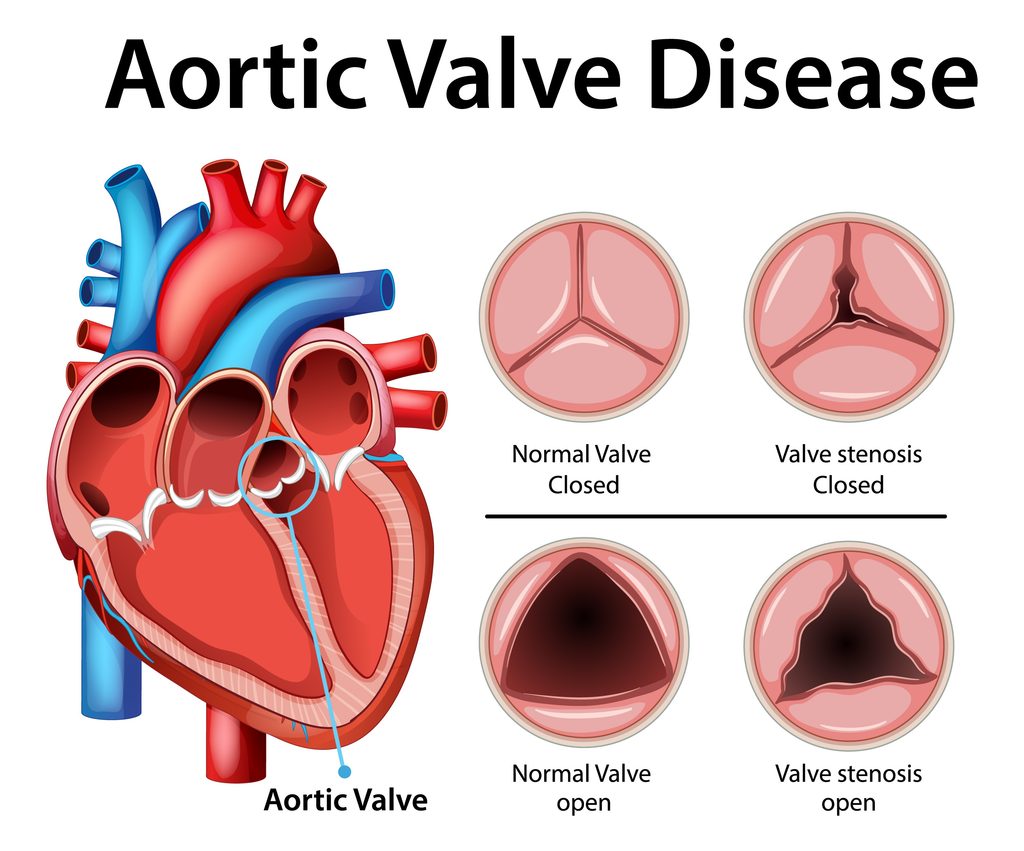
This article explains how aortic stenosis is evaluated, when treatment may be considered, how TAVI/TAVR fits into modern valve care, and what patients should discuss with an Aortic Stenosis Specialist.
What Is Aortic Stenosis?
The aortic valve sits between the heart’s left ventricle and the aorta. It opens to allow blood to leave the heart and closes to prevent blood from flowing backward.
In aortic stenosis, the valve becomes narrowed and does not open normally. As the opening becomes more restricted, the heart may need to work harder to move blood through the valve.
Aortic stenosis can develop for different reasons, including age-related changes, congenital abnormalities of the valve, or other conditions affecting the valve.
What Symptoms Should Prompt an Evaluation?
Aortic stenosis may not cause noticeable symptoms during its earlier stages. As the condition progresses, some people may develop symptoms during physical activity or even at rest.
Possible symptoms include:
- Breathlessness during walking or exercise
- Chest discomfort or pressure
- Dizziness or light-headedness
- Fainting or near-fainting
- Unusual tiredness
- Reduced ability to perform everyday activities
- Swelling in the legs in some patients
For example, an older person who previously walked to a nearby shop without difficulty but now needs to stop frequently because of breathlessness may benefit from a cardiac evaluation.
Symptoms alone cannot confirm aortic stenosis. A cardiologist needs to assess the patient’s medical history and perform appropriate investigations.
How Is Aortic Stenosis Diagnosed?
An Aortic Stenosis Specialist may begin with a physical examination, medical history, and assessment of symptoms. An echocardiogram is commonly used to examine the aortic valve and assess how well it opens and how blood moves through it.
Depending on the patient’s circumstances, evaluation may also involve:
- Electrocardiogram (ECG)
- Echocardiography
- Blood tests
- Chest imaging when appropriate
- CT imaging for selected patients being evaluated for valve procedures
- Additional cardiac investigations when required
The severity of aortic stenosis is determined using several clinical and imaging findings rather than a single measurement.
Understanding Aortic Stenosis Treatment Options
The appropriate Aortic Stenosis Treatment depends on the severity of valve disease, symptoms, heart function, age, other medical conditions, anatomy, and the patient’s overall clinical situation.
Monitoring for Less Severe Disease
Patients with mild or moderate disease and no significant symptoms may sometimes be monitored with regular clinical assessments and echocardiograms.
The purpose of follow-up is to identify changes in valve function, symptoms, or heart performance that may influence future treatment decisions.
Surgical Aortic Valve Replacement
Surgical aortic valve replacement involves removing the diseased valve and replacing it with a prosthetic valve. Whether surgery is appropriate depends on the patient’s clinical condition and surgical considerations.
TAVI or TAVR
Transcatheter aortic valve implantation (TAVI), also known as transcatheter aortic valve replacement (TAVR), is a catheter-based approach to replacing the aortic valve.
Instead of opening the chest to remove the existing valve, a replacement valve is delivered through a catheter and positioned within the diseased valve.
TAVI may be considered for selected patients with significant aortic stenosis after a detailed assessment. It is not automatically the best option for every patient.
When Is TAVI Considered?
A TAVI Expert evaluates several factors before determining whether transcatheter valve replacement is suitable.
These may include:
- Severity of aortic stenosis
- Presence and severity of symptoms
- Heart function
- Age and overall health
- Surgical risk
- Anatomy of the aortic valve and surrounding structures
- Previous heart procedures
- Other medical conditions
Suitability of the patient’s blood vessels for catheter access
For an older adult with symptomatic severe aortic stenosis who may have several other health conditions, a transcatheter approach may be discussed as one potential treatment option.
The final decision should follow a detailed cardiovascular assessment and discussion of the available alternatives.
Why Specialist Evaluation Matters
Choosing a Best Cardiologist for Aortic Stenosis should involve more than simply finding a doctor who treats valve disease. Patients may benefit from discussing the specialist’s approach to diagnosis, treatment selection, procedural options, and follow-up care.
Useful questions include:
- How severe is the valve narrowing?
- Is the condition causing the current symptoms?
- Does the patient need treatment now or continued monitoring?
- Is TAVI/TAVR appropriate?
- Is surgical valve replacement another option?
- What investigations are needed before a procedure?
- What follow-up will be required after treatment?
These questions can help patients and families understand why a particular treatment has been recommended.
Aortic Stenosis in Older Adults
Aortic stenosis is particularly relevant to geriatric cardiac care because older patients may have multiple health conditions at the same time.
A patient may have aortic stenosis along with hypertension, diabetes, coronary artery disease, kidney problems, or previous cardiac procedures. These factors can influence how the condition is evaluated and which treatment options are considered.
Families should also pay attention to functional changes. Difficulty climbing stairs, frequent pauses while walking, unexplained fatigue, or reduced participation in everyday activities may be important information to share with the cardiologist.
Advanced Valve Care in Hyderabad
Dr. C. Raghu is a cardiologist in Hyderabad providing evaluation and management for cardiovascular conditions, including structural heart disease and valve-related conditions.
Patients seeking a Best Cardiologist for Aortic Stenosis can visit the official website to learn more about cardiac consultation and treatment services.
Those specifically exploring transcatheter valve treatment can learn more about a TAVI Expert in Hyderabad and available structural heart care.
Patients looking for a Top Cardiologist in Hyderabad can also review consultation information and available cardiovascular services through the official website.
The term “congenital aortic stenosis specialists” is more relevant to patients whose valve narrowing is related to a congenital heart condition. Such cases require assessment based on the individual’s age, anatomy, symptoms, and previous cardiac history.
When Is Aortic Stenosis an Emergency?
Some symptoms require immediate medical attention. A patient with known or suspected aortic stenosis should seek emergency care if there is:
- Severe or sudden chest pain
- Fainting or loss of consciousness
- Severe difficulty breathing
- Rapid worsening of symptoms
- New confusion or significant weakness
Patients should not wait for a routine appointment when serious or rapidly worsening symptoms occur.
Take the Next Step in Valve Care
Aortic stenosis requires individualized assessment because the right treatment depends on the severity of valve disease, symptoms, overall health, and suitability for different treatment approaches. For some patients, monitoring may be appropriate, while others may require valve replacement through surgery or a transcatheter approach such as TAVI.
Discover how an Aortic Stenosis Treatment in Hyderabad can help improve your heart health and quality of life. Consult Dr. C. Raghu, an experienced interventional cardiologist and TAVI Expert in Hyderabad, specializing in structural heart disease at Yashoda Hospital. Schedule your consultation for personalized cardiac care.