An implant fee can look affordable until additional visits, imaging and restorations are included. People searching for low cost dental implants in Brighton VIC can make a better comparison by looking at the clinical record and the total treatment proposal, rather than a headline figure alone.
Low Cost Dental Implants Near Me: what should patients consider?
Information about low cost dental implants near me can help explain the options, but an individual examination is needed before any treatment decision. The discussion should focus on the specific problem, reasonable alternatives and the likely responsibilities after care.
Why dental records matter to a quotation
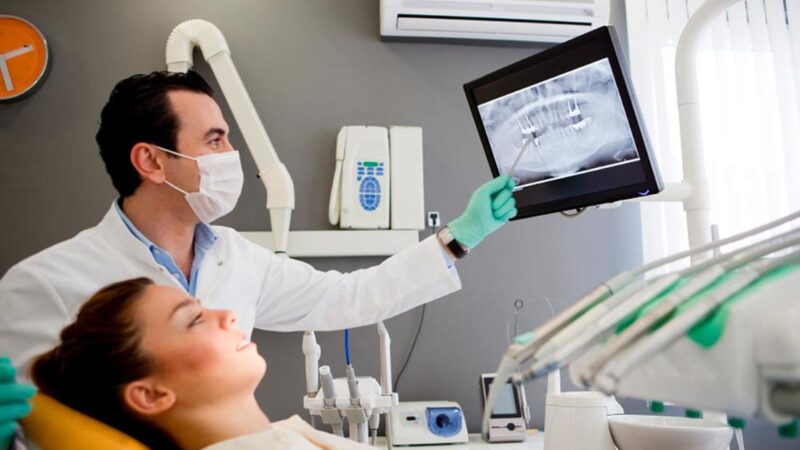
The dentist needs information about missing teeth, existing restorations, gum health, bone support and any previous treatment. Radiographs or three-dimensional scans may be requested when clinically justified. These findings determine whether an implant is suitable and whether additional procedures are likely. A previous implant failure or history of gum disease may change the discussion. Patients can ask for copies of their relevant records and a written explanation of which findings influence the proposed cost. A price supplied without assessing the mouth may not describe the full treatment required.
Ask what the quoted fee includes
A complete estimate may separate consultation and imaging fees, implant surgery, abutments, crowns or bridges, temporary restorations, reviews and possible preparatory procedures. Sedation, if appropriate and offered, can also alter the cost. Patients should ask which items are definite, which are conditional and what could cause the plan to change. Payment arrangements may be available, but affordability should be judged alongside clinical appropriateness and the complete financial commitment. An unusually low initial figure should prompt questions, not assumptions about quality.
For local appointment information, patients can review low cost dental implants near me at Jolique while checking that the proposed procedure matches their clinical needs.
Lower cost does not remove clinical risk
Implants require adequate support and careful aftercare regardless of their price. Potential problems include infection, failure to integrate, damage to nearby structures and inflammation around implants later on. Maintenance, cleaning aids and occasional repair of prosthetic components may add future expense. Patients should understand who will manage complications and what fees might apply. It is also important to ask whether the quote includes a final restoration or only the implant fixture, as these are distinct parts of treatment.
Compare alternatives against the actual goal
For one missing tooth, a bridge or removable denture may be worth discussing. In some circumstances, no immediate replacement is appropriate, subject to individual dental advice. Where several teeth are missing, the most suitable design may differ from placing an implant for each tooth. Comparing options by comfort, cleaning, expected visits and long-term costs provides a more useful picture than the lowest advertised amount. Patients should feel able to consider the plan before committing to surgery.
Which questions can reveal hidden costs?
A patient comparing estimates can ask whether the restoration is temporary or final, whether a crown is included, who pays for additional imaging and how follow-up fees are handled. It is also useful to establish whether the quote assumes that bone grafting or extraction is unnecessary. If a financing arrangement is proposed, fees, interest and repayment obligations should be explained clearly. A cheap headline price can still lead to substantial total costs when several essential stages are excluded.
Why treatment history may change the plan
Previous gum disease, tooth loss after infection and earlier implant complications provide context for the new assessment. These details do not automatically prevent implant treatment, but they may affect preparation and maintenance. Patients can provide medication lists and relevant medical information, including conditions that influence healing. A current examination is still needed because old records may not show present bone levels or gum inflammation. The purpose is to personalise planning, not to use medical history as a shortcut to diagnosis.
Common questions
Can a dentist quote the complete fee without an assessment?
A preliminary figure may be possible, but the final plan depends on examinations and any clinically necessary investigations.
Is the cheapest option always poor quality?
No. Price alone cannot establish quality or suitability. Comparing treatment stages, consent and follow-up is more informative.
Information to request before agreeing to treatment
An informed appointment also allows time to clarify how decisions will be recorded. Patients may request an explanation of the clinical findings, the expected number of visits, relevant risks and what the next step would be if they choose not to proceed. Where an elective treatment is proposed, questions about costs, ongoing maintenance and reasonable alternatives can be discussed without assuming that treatment must begin immediately. If information is unclear, the patient can ask for it in writing or seek further professional advice. This approach supports informed consent and helps distinguish individual care from general marketing descriptions.
Also read this : Dental Implants: A Long-Term Option for Tooth Replacement
Making a considered decision
A reliable financial decision begins with accurate records, clear treatment options and a written quote that explains inclusions and potential changes. Price matters, but it should be considered alongside safety, suitability and long-term care.
Patients who wish to learn about low cost dental implants near me can review the clinic’s general information before arranging an assessment. This is educational information, not a substitute for personalised dental advice.
You can enquire about a dental assessment at Jolique Dental Clinic in Brighton VIC to discuss your concerns and available options.
Contact Jolique Dental
Email: info@jolique.com.au Phone: (03) 9647 2650